All Mandali
Aloba

Aloba

Ali Akbar Shapurzaman

Persian-born; recited Hafiz for Baba and oversaw the meals; New Life companion

12 July 1916 โ€“ 13 August 2002
Yazd, Iran (then Persia) โ†’ Inlaks Hospital, Pune, India

Biography

Ali Akbar Shapurzaman, known throughout the Baba world by the name 'Aloba' that Meher Baba Himself bestowed upon him, was a figure of singular intensity among the mandali. Small in physical stature but towering in his love for the Master, he possessed what those who knew him described as a fiery nature fed by an unshakable conviction in Meher Baba's Godhood. He was the only student from the Meher Ashram period who later became one of Baba's permanent resident mandali, and he held the distinction of being the last surviving man among those who accompanied Baba on the transformative New Life journey.

Aloba's connection to Meher Baba had roots deeper than his own lifetime. He was born in Yazd, Iranโ€”the same ancestral homeland from which Baba's family originated on both His father's and mother's sides. At the age of seven in 1923, young Ali Akbar came to India with an uncle, leaving behind the ancient Persian land that would always remain part of his identity. For four years he worked in Iranian restaurants in Bombay, until at age eleven, circumstances brought him to Meherabad and enrollment in the Hazrat Babajan School, part of what became known as the Meher Ashram for boys.

The young Iranian student first encountered Meher Baba in 1927, and from that moment his life was irrevocably changed. However, his path to permanent discipleship would take a circuitous route. In 1928, his uncle arrived and insisted on taking him back to Bombay to work. Aloba was heartbroken at the separation from the Master he had come to love so deeply. Several years passed with the boy working as a cashier in an Irani teashop in Bombay, his heart yearning for Baba.

In 1935, providence intervened. Aloba, then a cashier in a Bombay restaurant, saw Baidul, one of Baba's disciples, walk in. This chance encounter rekindled his longing for Baba; one night he left his job and went to Ahmednagar for Baba's darshan, where Raosaheb told him that Baba was staying in Nasik, and he followed Him there. When he found Baba at the Sarosh Motor Works office, he fell at His feet. Baba sent him back to Bombay, telling him to return whenever called, and from then on he usually met Baba on the first of every month.

According to Trust Meher, he later ran his own teashop, which prospered after Baba blessed it. But material success held no appeal compared to the call of the Master. In June 1949 he came from Bombay to live permanently with the mandali at Meherazad. On October 16, 1949, Aloba joined Baba and a select group of companions as they embarked on the New Lifeโ€”a period of deliberate homelessness and renunciation that Baba called 'a life of complete helplessness and hopelessness.' For nearly eight months, Aloba walked with the Master through this unique spiritual experiment. In mid-1950 he left for an independent life in Bombay and was later placed in the Old Life; he lived in Bombay. During the New Life at Moradabad (1949), where Muslims were barred from the companions' lodging, someone heard him called 'Ali Akbar' and accused him of being a Muslim; Baba therefore renamed him Aloba, and the name stuck.

In September 1952 Baba called him back from Bombay to join the mass darshan tours, and from then on he remained one of Baba's resident mandali. For the next fifty years, until his death, Aloba lived primarily at Meherazad, serving the Master and later welcoming the thousands of pilgrims who came seeking connection with Meher Baba's legacy. His passionate proclamations of Baba's divinity became legendary among visitors to Meherazad.

Aloba's final moments perfectly encapsulated the intensity of his devotion. In early August 2002, at age eighty-six, he fell and fractured his hip. During the subsequent surgery under spinal anesthesia, he remained conscious throughout. Repeatedly, loudly, he proclaimed what had been the truth of his existence: 'Baba is God!' When asked to be quiet by the medical staff, he agreed. But the moment surgery was complete, his last words rang out: 'Jai Baba!' Immediately his blood pressure dropped and his heart stopped beating. He passed away on August 13, 2002, at 1:30 PM at Inlaks Hospital in Pune from a pulmonary embolism.

Aloba was buried in the Men's Cemetery at Lower Meherabad, placed beside Eruch Jessawala. He was buried, not cremated. Small in stature, he had proven himself a giant in Baba's love, winning a unique place in the hearts of all who knew him.

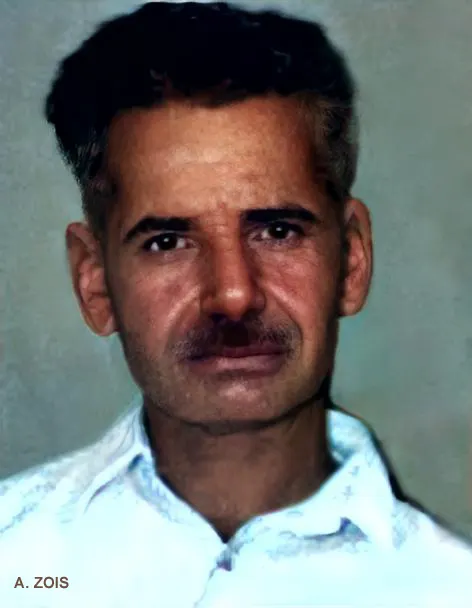
Photo Gallery(28 photos)

1 of 2

Life Timeline

1916

Born in Yazd, Iran (then Persia), the ancestral homeland of Meher Baba's family

1923

At age seven, came to India from Iran with his uncle

1927

First encountered Meher Baba; enrolled in the Hazrat Babajan School at Meherabad (Meher Ashram for boys)

1928

Uncle arrived and insisted on taking him back to Bombay to work; Aloba was heartbroken at the separation

1935

Saw Baba's disciple Baidul in the Bombay restaurant where he worked; later left his job and, via Ahmednagar, found Baba in Nasik and fell at His feet; thereafter met Baba on the first of every month

1949

Came from Bombay to stay permanently with Baba's mandali at Meherazad

1949

Joined Meher Baba for the New Life journey

1950

Left the New Life in mid-1950 for an independent life in Bombay; placed in the Old Life that October

1952

Called back from Bombay in September to join Baba's mass darshan tours; thereafter one of His resident mandali

2002

Passed away at 1:30 PM at Inlaks Hospital, Pune, during hip surgery; his last words were 'Jai Baba!'

Quotes

โ€œ

Carrying out my orders was the all-important thing. Compared to that there was no importance at all to my falling at your feet.

โ€” 18 August 1949, lower Meherabad: Aloba touched Baba's feet against his wish; when Baba bent to touch Aloba's feet in turn, Aloba leapt up and fell on Baba's hand, injuring it. Later that day Baba pardoned him.

โ€œ

Now eat, drink and be merry! From the 15th our Karbala life begins!

โ€” Early November 1952, a day of light talk before the Fiery Free Life tour that began on 15 November; Baba teased Aloba about the hardships ahead.

โ€œ

I am burning within! Don't let me also burn outside by your carelessness.

โ€” 28 November 1952, on the train from Hamirpur to Delhi during the Fiery Free Life, when Aloba made a mistake arranging the baggage.

โ€œ

Why do you keep staring at me? Don't stare at me! Whenever I come here, you always stare at me.

โ€” Meherazad, July 1957: Aloba could not keep his eyes off Baba in the mandali hall, and Baba forbade him to stare at him.

โ€œ

Go and remain there for one month, because you are making me angry every day, which is not proper. Put your bags in a bullock cart and go to Ahmednagar in it. From there, leave immediately for Bombay by train. I will call you back after a month.

โ€” Meherazad, December 1957: forbidden to come before Baba, Aloba still hid to catch glimpses of him every day, so Baba sent him away to Bombay for a month.

โ€œ

Can't you help me even a little? You love me; but help me in my work!

โ€” Meherazad, September 1958, during Baba's seclusion: Aloba had been moved farther away in the hall, but Baba caught him glancing sideways again; after scolding and forgiving him, Baba pleaded with him.

โ€œ

Aloba, I have told you a thousand times: Do as I say and don't use your discrimination or discretion. You come to trouble by doing so against my orders.

โ€” Meherazad, 1958: after telling Aloba the story of a disciple of Shams-e-Tabriz who drowned because he trusted his own reasoning over his Master's instruction.

โ€œ

Don't do anything I have not asked you to do. If a snake bites me, even then you should not come to my aid unless I call you. If I fall out of my chair, you should not come unless I ask you. Even if someone comes and attacks me โ€” shoots or stabs me โ€” you should not come unless called.

โ€” Meherazad, 1958: Aloba would rush to do even what Baba had asked of someone else, and Baba reproached him for it.

โ€œ

Stop the japa, sit here and go on looking at me. Go on! Set aside my pleasure and please yourself!

โ€” Meherazad, 1958: Aloba's assigned time for repeating the invocation kept him out of the hall while Baba sat with the others. When Baba sent for him, he came still repeating it aloud, and Baba said this in reproach, then went on to scold him for thinking only of his own pleasure.

โ€œ

Suppose there is a beautiful queen and she encounters a roadside beggar who has leprosy. โ€ฆ Once, chancing to look at the queen, he falls in love with her. He has a right to love the queen, and his physical misfortune is no bar to his loving her. But if he wants to embrace the queen, would she like it? And should the beggar have that sort of love for the queen? On the contrary, if he strengthens his love, by keeping the queen's happiness always in mind, it is possible that, moved by his plight, the queen may notice him and begin to help him sometime in the future.

โ€” Meherazad, October 1958: told to stay in his room so as not to make mistakes in Baba's presence, Aloba was miserable at not seeing him, and Baba called him to console him with this parable.

โ€œ

From today, teach this jungli English!

โ€” About 1960: Kaka admitted he had not understood a letter Eruch read out in English, and Baba, who often set the mandali against each other, put Aloba in charge of teaching him.

โ€œ

Never do it again! Always be attentive to my pleasure; don't bother about the pleasure of others!

โ€” Guruprasad, Poona, 1968, during Baba's seclusion: Aloba, on watch at the gate, had told some women how they might glimpse Baba the next morning; Baba was furious and sent him away, then called him back and forgave him.

Notable Stories

The Reunion at Nasik

After years of separation, Aloba, then a cashier in a Bombay restaurant, saw Baidul, one of Baba's disciples, walk in. One night he left his job and set out for Ahmednagar, and from there followed Baba to Nasik. When he found the Master at the Sarosh Motor Works office, he fell at His feet. Baba sent him back to Bombay to return whenever called, and from then on he usually met Baba on the first of every month. This encounter renewed Aloba's connection to Baba and eventually led to his permanent joining of the mandali.

The New Life Journey

On October 16, 1949, Aloba joined Baba and a select group of companions as they embarked on what Baba called 'a life of complete helplessness and hopelessness.' For nearly eight months, they wandered as deliberate homeless mendicants, renouncing all worldly ties. In mid-1950, weakened by fever and hard labour, he asked Baba at Satara to release him to an independent life and returned to Bombay; at the Mahabaleshwar meeting that October he was placed in the Old Life. He became the last surviving man among those who accompanied Baba on the New Life.

Final Proclamation

In early August 2002, at age 86, Aloba fell and fractured his hip. During surgery under spinal anesthesia, he remained conscious throughout. Despite the medical setting, he repeatedly proclaimed loudly: 'Baba is God!' When staff asked him to be quiet, he agreed. But the moment surgery was complete, his voice rang out one final time: 'Jai Baba!' Immediately his blood pressure dropped and his heart stopped. He had lived and died proclaiming the truth he had known since childhood.

The Blessed Teashop

According to Trust Meher, after his reunion with Baba in 1935 Aloba returned to Bombay and eventually opened his own teashop, which prospered after Baba blessed it. Lord Meher records him working as a restaurant cashier and, after the New Life, as manager of the Diamond Restaurant in Worli. Whatever his work, material success could not satisfy his spiritual yearning: in June 1949 he came to live with the mandali, and when Baba called him back from Bombay in September 1952 he again left his work behind without hesitation.

Connection to Yazd

Aloba's birthplace, Yazd in Iran (then Persia), was the same ancestral homeland from which Meher Baba's family originated on both His father's and mother's sides. This geographical connection represented a deeper spiritual bondโ€”Aloba came from the same soil that had nourished the Avatar's lineage, adding another dimension to his already intense devotion.

Videos

External Links